The New Data Workforce: From Annotators to AI Test Pilots
Ten years ago people who worked with annotation had a job:
they had to look at a picture and say what it was. They only had two options to
choose from. That was it.
Five years ago this job got a bit more complicated: they had
to look at a picture say what it was. Explain why they thought that.
Now the job is completely different: people have to test a
model find out what it is bad at pretend to be a user judge how the model
thinks check if the model is working correctly and try to break it on purpose.
The person who just labeled things is no longer needed. Now
we need someone who can test AI models.
This is not a matter of using different words. It means that
the work people do how they get hired, how they learn to do their job and how
money they get paid is all changing. If you still think that people are just
labeling data for AI then you are thinking about the past.
Let us look at how this job has changed over time.
The first generation of people who worked with AI data (from
2010 to 2015) just had to look at pictures or text and make choices. They did
not need to know anything they just had to be able to focus. They did not get
paid much because the job was not very hard.
The second generation of people who worked with AI data
(from 2015 to 2020) had to do more than just make choices. They had to explain
why they made their choices. They had to be able to write and explain things in
language.
The third generation of people who worked with AI data (from
2020 to 2025) had to check the work of AI models. They had to find mistakes
judge how good the work was and compare responses. This job needed people to be
able to think and be consistent. The best people at this job were good at
finding out where AI models tend to make mistakes.
The fourth generation of people who work with AI data (from
2025 to now) do a different job. They are like a mix of a person who tests
software a person who knows a lot about an area and a person who tests
products.
This new kind of worker the AI test pilot does not just
label data. They do things, such as:
* Try to find things that the model is bad at
* Pretend to be a user to test the model
* Check not just the answers but how the model got to those
answers
* Try to break the model on purpose to find out what can go
wrong
* Create ways to test the model that can be used many times
What does this mean for the industry?
This change has effects.
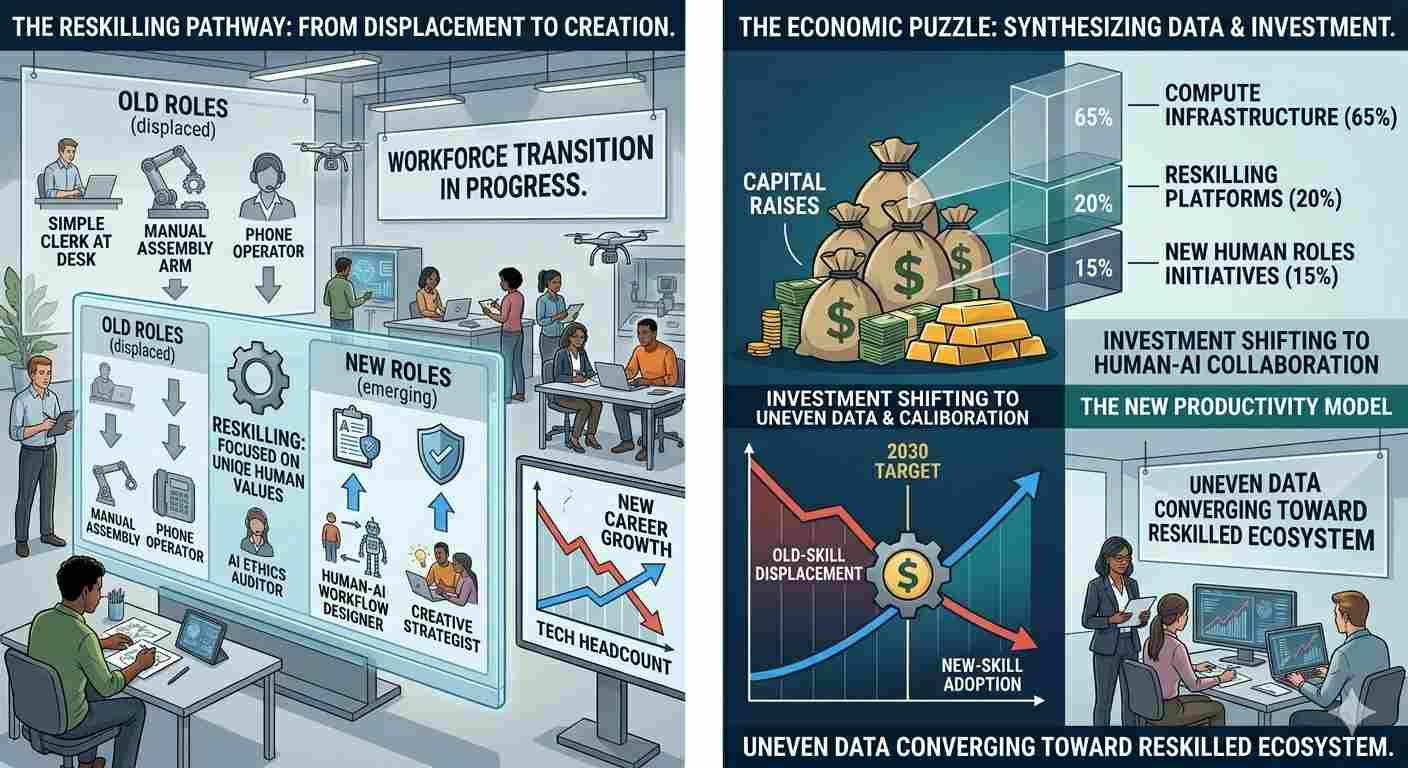
* When it comes to hiring the time when companies could just
give jobs to a lot of people is ending. Now companies need people who know a
lot about an area like doctors to test medical AI lawyers to validate legal
models and software engineers to test coding assistants.
* When it comes to training companies now have to teach
these workers how AI models think, where they tend to make mistakes and how to
test them in a way.
* When it comes to pay AI test pilots get paid a lot more
than workers who just labeled data. Now it is expertise that matters, not how
fast you can work.
The main point is that the job of working with AI has
changed a lot. Early AI models just needed a lot of examples to learn from. Now
AI models need feedback from people who understand how they work what they are
bad at and how they will be used in the world.
As someone who watches the industry said: we are moving from
teaching AI what things are, to teaching AI how to think. That means we need a
kind of person working with AI.
The AI test pilot is not a job title. It is a kind of job..
It is the future of people working with AI.