Experts predict that businesses may see an increase in cyberthreats due to the Iran-Israel conflict
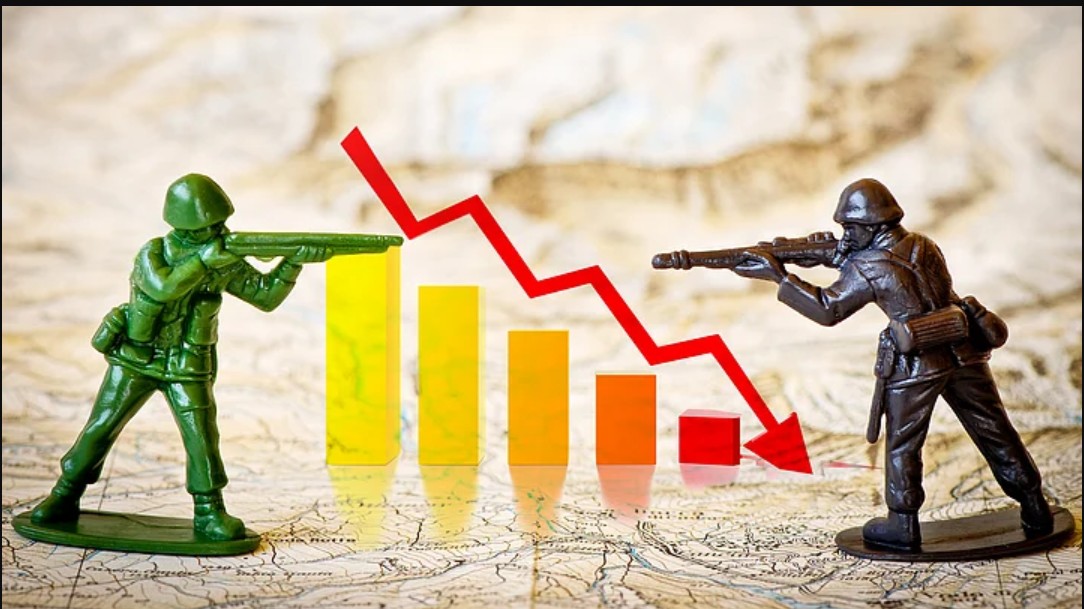
Cybersecurity experts have warned that the rising conflict in the Middle East could increase cyberattack risks for India. Hacktivist groups and state-backed hackers targeting companies in the region may also attempt attacks on Indian organisations and critical infrastructure.
Experts said similar threats were seen earlier during Operation Sindoor, when cyberattacks targeted Indian public sector undertakings and other important systems. Security advisors have now warned companies in India to stay alert for possible attacks on power grids, telecom networks, banking ATMs, and other essential services.
Siddharth Vishwanath from PwC India said cyber warfare often starts before any physical conflict. He explained that such attacks usually begin with misinformation campaigns, spying, and intelligence gathering. According to him, cyber activity in the Gulf region has increased in recent months, which raises the risk of attacks on government services and critical infrastructure.
A spokesperson from threat intelligence company CloudSEK said India could face cyber spillover from the conflict, especially through groups linked to Iran. These groups may target Indian IT companies, financial institutions, telecom networks, and cloud infrastructure with distributed denial-of-service (DDoS) attacks, phishing campaigns, ransomware, and attempts to steal login credentials.
Recently, Israel reportedly launched a massive cyberattack against Iran, causing a widespread internet blackout and disrupting government services, media operations, and energy and aviation infrastructure.
Another incident involved the Iranian mobile app BadeSaba Calendar, which tracks prayer timings. The app, used by more than five million people, was hacked and used to send unusual push notifications in Persian such as “Help has arrived” and “Lay down your weapons” during joint airstrikes in Tehran by the United States and Israel.
Vishwanath added that both government-backed groups and independent hackers may deploy malware for large-scale cyber operations. In response, many Indian companies have increased monitoring through cyber control centres to detect and stop potential threats.
During the India–Pakistan conflict 2025, several international hacker groups had also targeted Indian digital infrastructure. Researchers identified groups such as Moroccan Soldiers, Team R70 from Russia, LulzSec Arabs, Islamic Hacker Army from Iraq, Sylhet Gang SG from Bangladesh, and Team Azrael – Angel of Death from Palestine claiming responsibility for website defacements and data breaches targeting Indian government and private organisations.
Experts say companies in India must strengthen cybersecurity systems and remain alert as geopolitical tensions increasingly lead to digital warfare alongside traditional conflicts.