CES 2026: AI is influencing every facet of consumer life, from digital to physical
CES 2026
Showcases AI-Powered Consumer Tech Amid Geopolitical Uncertainty
From
AI-powered home chefs and smart dental floss to shape-shifting beds, robo-pets
and humanoid companions for the elderly, artificial intelligence dominated
CES 2026, appearing in a wide range of consumer technologies. The world’s
largest technology trade fair delivered a mix of futuristic innovation, wonder
and whimsy, with AI embedded across products and platforms.
While
technology brought the global tech ecosystem together in Las Vegas during the
first working week of 2026, geopolitical tensions and trade uncertainties
loomed large. Indian founders expressed concerns over tariffs and their impact
on pricing, while Chinese startups delayed US product launches. Several
companies debated whether to shift manufacturing or assembly to the US or third
countries to remain competitive.
“As of now,
we are absorbing the tariff costs and have not passed them on to consumers, but
if it goes up even more, we have to reimagine our manufacturing and supply
chain,” said the product head of an audio company at the event.
An Indian
startup founder planning to sell in the US said decisions around local
distribution would depend on the tariff regime. “If it becomes prohibitively
expensive, we will have to consider manufacturing in a third country, or maybe
assemble the units in the US. I have already created an American entity for the
same,” he said.
Innovation
Takes Centre Stage
In terms of
innovation, smart mobility, healthtech, agetech and robotics emerged as
standout themes. Driverless mobility drew significant attention, with major
companies outlining their roadmaps.
Bosch
showcased its vision for personalised cockpits in autonomous vehicles. “After
automated driving, what you want next is a personalised car—maybe to work on
the go—which requires integration of tools like Microsoft Office, something we
have already done,” said Tanja Rueckert, global chief digital officer,
Bosch.
Nvidia
highlighted its push to bring AI from the digital to the physical world through
partnerships in the automotive sector. “As the automotive industry embraces
physical AI, Nvidia will be the intelligence backbone that makes every vehicle
programmable, updatable and perpetually improving through data and software,”
said Ali Kani, vice president, automotive, at Nvidia.
Rise of
Robotics and Smart Companions
Robotics was
another major focus area. South Korean technology major LG showcased its
vision of zero-labour homes through its Cloid humanoid robot, designed
to manage daily household chores. “Our deep understanding of customer
lifestyles is a powerful advantage that will help set a new standard for future
homes, including robots,” said Lyu Jae-Cheol, CEO, LG.
Chinese
startup Ollobot presented a robo-pet capable of reading gestures and
body language, while Japanese startup LudensAI showcased Cocomo,
an AI-powered companion robot with memory and bonding capabilities.
Hyper-Personalisation
Through AI
Hyper-personalisation
emerged as a key driver of interest at CES 2026. Products such as AI-enabled
massage chairs adapted their functions based on time of day and user stress
levels.
Hyderabad-based
startup Cama showcased a shape-shifting bed that adapts to individual
sleeping patterns. “If there is a pregnant lady on the bed, it will
automatically push her into a side-sleeping posture and not let her sleep
straight,” said Teja Vinukollu, founder, Cama.
In mobility,
companies demonstrated AI-powered features such as smart glasses in cars that
can scan billboards and enable instant retail purchases while on the move.
AI’s
Broader Impact
Beyond
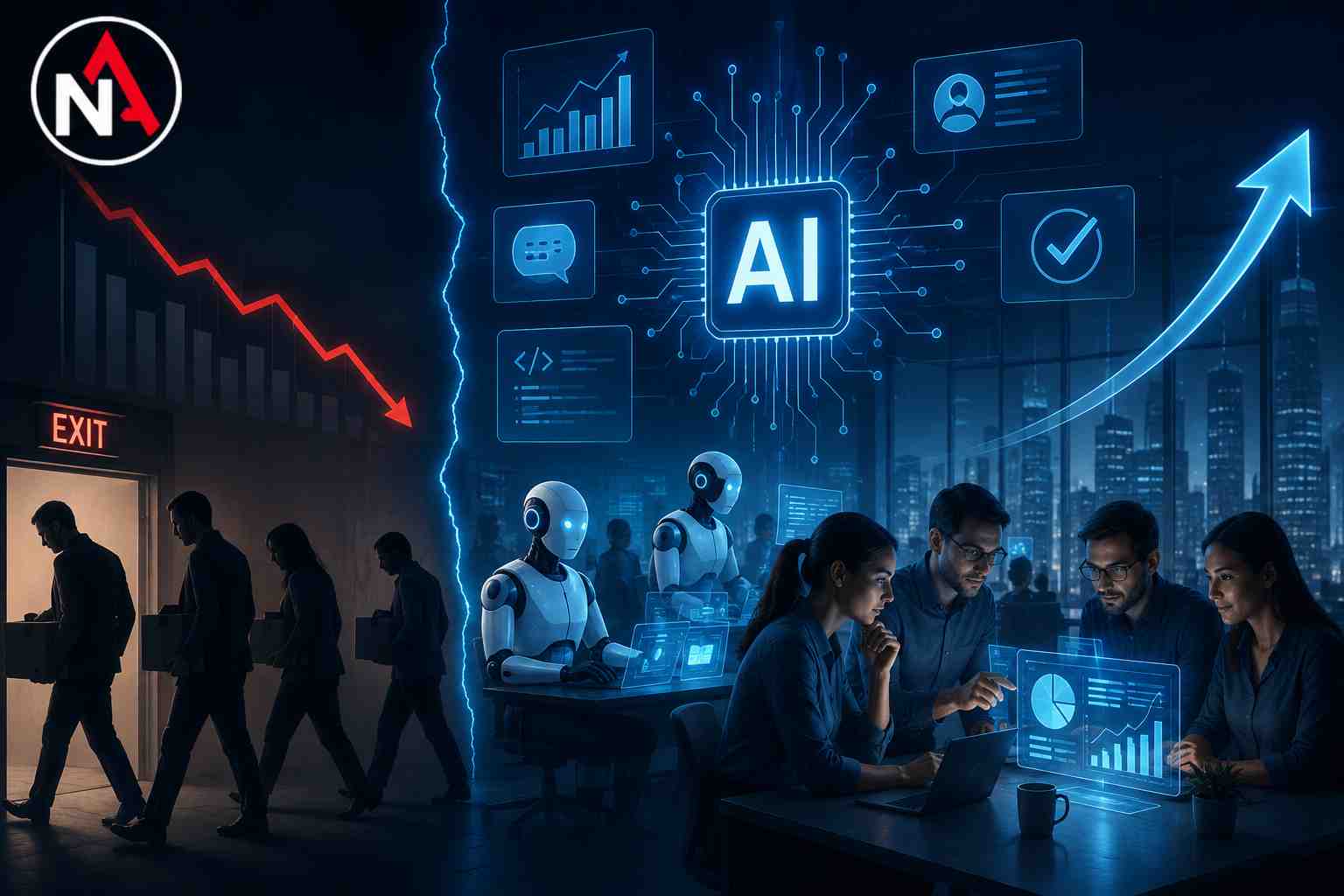
gadgets, discussions repeatedly turned to AI’s broader impact on jobs and
skills. A senior tech executive said he had never witnessed disruption on this
scale in his three decades in the industry.
Hemant
Taneja, CEO of
General Catalyst, said future job creation would be less about degrees and more
about mindset. “It’s about learning to ask the right questions rather than
solving entire worlds of hard problems. That requires a very different mindset,
rooted in curiosity,” he said.
Overall, CES
2026 underlined how AI is reshaping everyday life, even as businesses
navigate economic and geopolitical headwinds in an increasingly complex global
environment.