Mukesh Ambani vs. The World: Why Meta Chose India for Its First AI Data Center
For years, the world's AI infrastructure has been concentrated in three places: the United States, China, and Europe. That map just got rewritten.
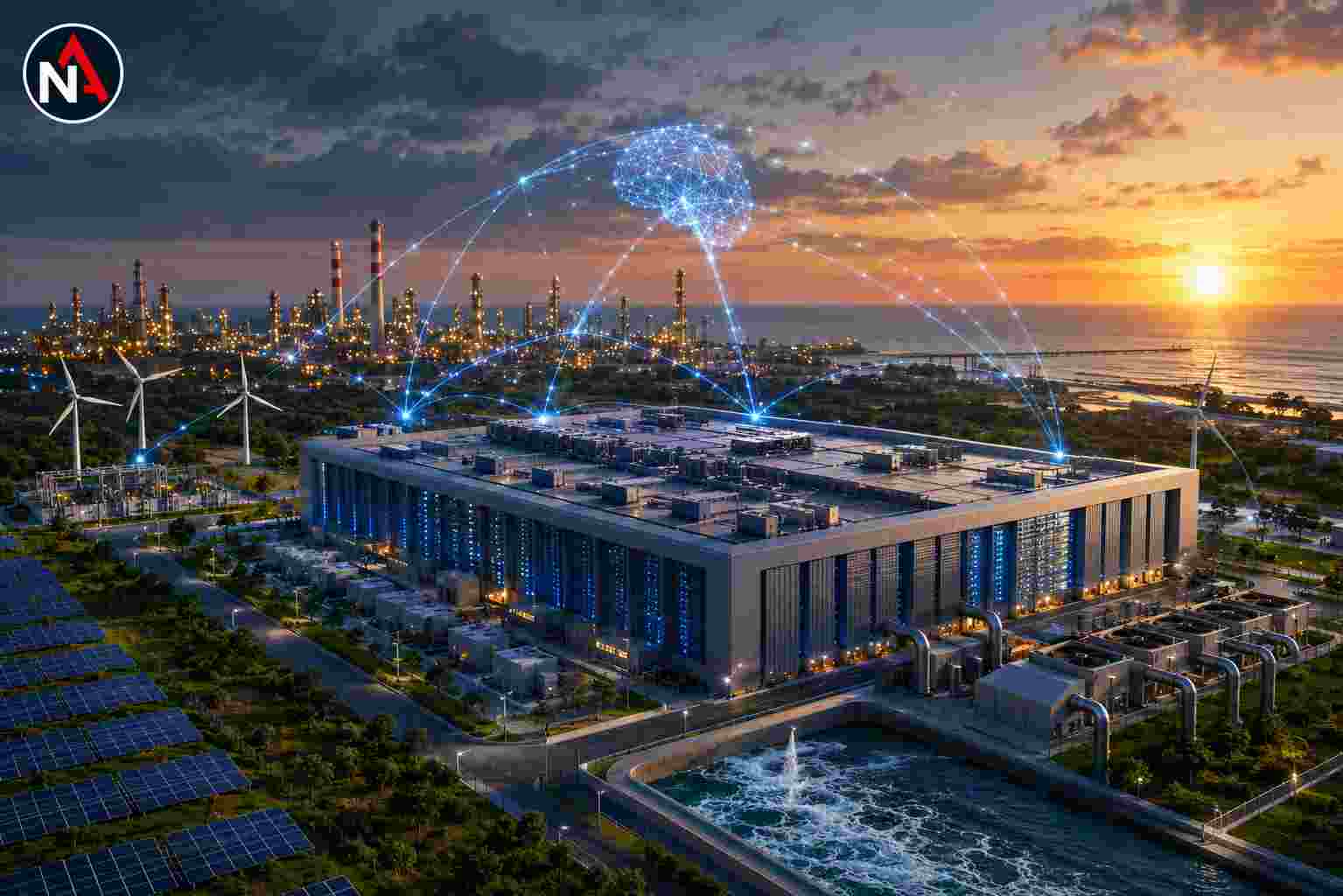
On Wednesday, Meta announced its first AI infrastructure bet in India — a partnership with billionaire Mukesh Ambani's Reliance Industries to build a 168-megawatt AI-enabled data center in Jamnagar, Gujarat. The facility will be powered by renewable energy, cooled using desalinated seawater, and plugged directly into Meta's global network of AI computing facilities.
The deal is the latest chapter in a relationship that began in 2020, when Meta invested $5.7 billion** in Reliance's Jio Platforms. Since then, the companies have launched a **$100 million joint venture for enterprise AI solutions. Now, they are building the physical infrastructure that will power India's AI future.
Why India, Why Now?
The answer is simple: demand and geography.
India has rapidly emerged as one of the fastest-growing AI user bases in the world. Meta's own apps — Facebook (314.6 million Indian users), Instagram (350 million), and WhatsApp (480 million) — collectively reach over 1.1 billion people in the country. Until now, data for Indian users has been routed through Meta's Singapore data center. The new Jamnagar facility will dramatically reduce latency, improve AI-driven recommendations, and save transmission costs.
But Meta is not alone. A wave of global tech giants has recently announced AI and cloud infrastructure investments in India:
Microsoft, Amazon, Google, OpenAI, and Uber have all unveiled plans
Blackstone-backed AirTrunk announced a $30 billion investment to build 5 gigawatts of capacity by 2030
Adani and Tata Consultancy Services are expanding their own data center footprints
The Numbers That Explain the Rush
India's installed data center capacity has grown from about 375 megawatts in 2020 to roughly 1.5 gigawatts in 2025, according to government data. Industry estimates project that figure could grow more than fivefold to over 8 gigawatts by the end of the decade.
The Indian government has actively encouraged this rush. Foreign cloud providers now receive tax exemptions through 2047 on services sold overseas, as long as those workloads are run from Indian data centers. The message is clear: process India's data on India's soil.
Inside the Jamnagar Facility
The 168-megawatt data center will be located within Reliance's Jamnagar complex, which is already home to the world's largest oil refining hub. But this facility is designed for the AI era, not the industrial one.
Renewable energy: Meta has contracted nearly 1 gigawatt of new renewable energy capacity in India through agreements with CleanMax and Fourth Partner Energy
Seawater cooling: The facility will use desalinated seawater, a critical innovation in a water-stressed region
Expandable capacity: The 168 MW facility will be ready within two years and can be expanded over time
Reliance will provide end-to-end services — from design and construction to renewable power, connectivity, and ongoing operations. The conglomerate is positioning itself as a one-stop shop for global technology companies seeking AI infrastructure in India.
What This Means for Meta
For Meta, the deal serves three strategic purposes:
Improved user experience — Faster content delivery for 1.1 billion Indian users
Lower costs — Reduced transmission costs from Singapore and other hubs
AI leadership — Access to a massive market for training and deploying Llama-based enterprise solutions
Mark Zuckerberg, Meta's CEO, framed the partnership as part of a broader strategy: "We're excited to deepen our partnership with Reliance to bring the power of open-source AI to Indian developers and enterprises."
What This Means for India
Mukesh Ambani, Reliance's chairman, was more direct: "We will democratise enterprise-grade AI for every Indian organisation — from ambitious SMBs to blue-chip corporates."
The Jamnagar facility is not just a data center. It is a statement. India is no longer just a market for AI products. It is becoming a manufacturer of AI infrastructure — and the world's biggest tech companies are lining up to participate.
The 168-megawatt question is no longer whether India will matter in AI. The question is how fast the country can scale from 1.5 gigawatts to 8 gigawatts by 2030. If Meta, Reliance, and the rest of the pack have their way, the answer is very fast indeed.